 |
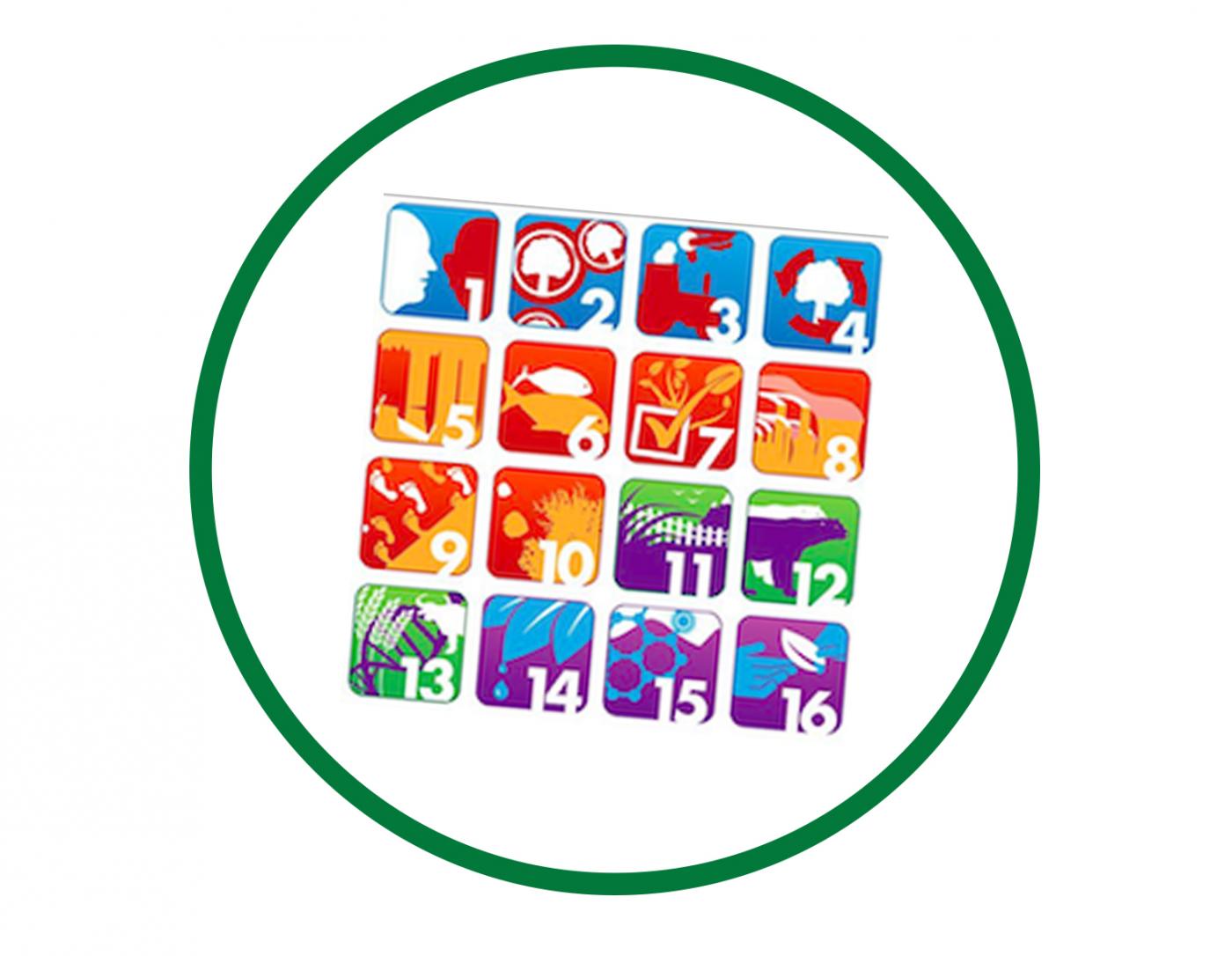
The Aichi Targets are a key component of the CBD Strategic Plan for Biological Diversity 2011-2020, adopted by the 10th Conference of the Parties to the Convention on Biological Diversity (CBD) in October 2010. ("Aichi" refers to the name of Aichi Prefecture in Japan in which the CBD COP 10 took place). This is the overarching framework on biodiversity not only for the biodiversity-related conventions, but for the entire UN system. In particular, the parties agreed to
|
|
|
The Biodiversity Indicators Partnership (BIP) is a global initiative to promote the development and delivery of biodiversity indicators. Its primary role is to serve the global user community by responding to the indicator requests of the CBD and other biodiversity-related Conventions, for IPBES, for reporting on the Sustainable Development Goals, and for use by national and regional governments. You'll find the BIP Dashboard Indicator Summary for Belgium here. |
|
|
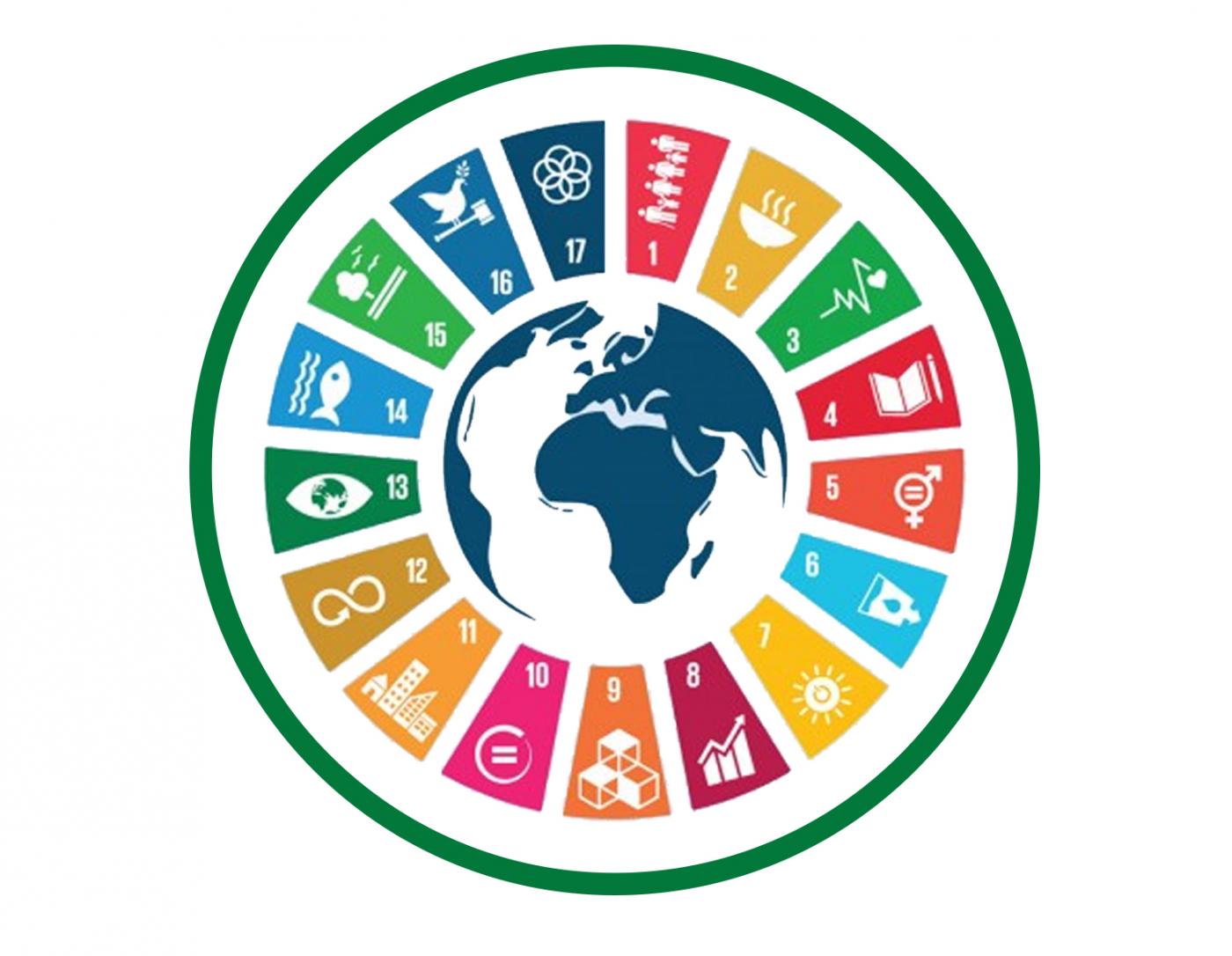
The Sustainable Development Goals (SDGs) are a collection of 17 global goals designed to be a "blueprint to achieve a better and more sustainable future for all". The SDGs, set in 2015 by the United Nations General Assembly and intended to be achieved by the year 2030, are part of UN Resolution 70/1, the 2030 Agenda. |